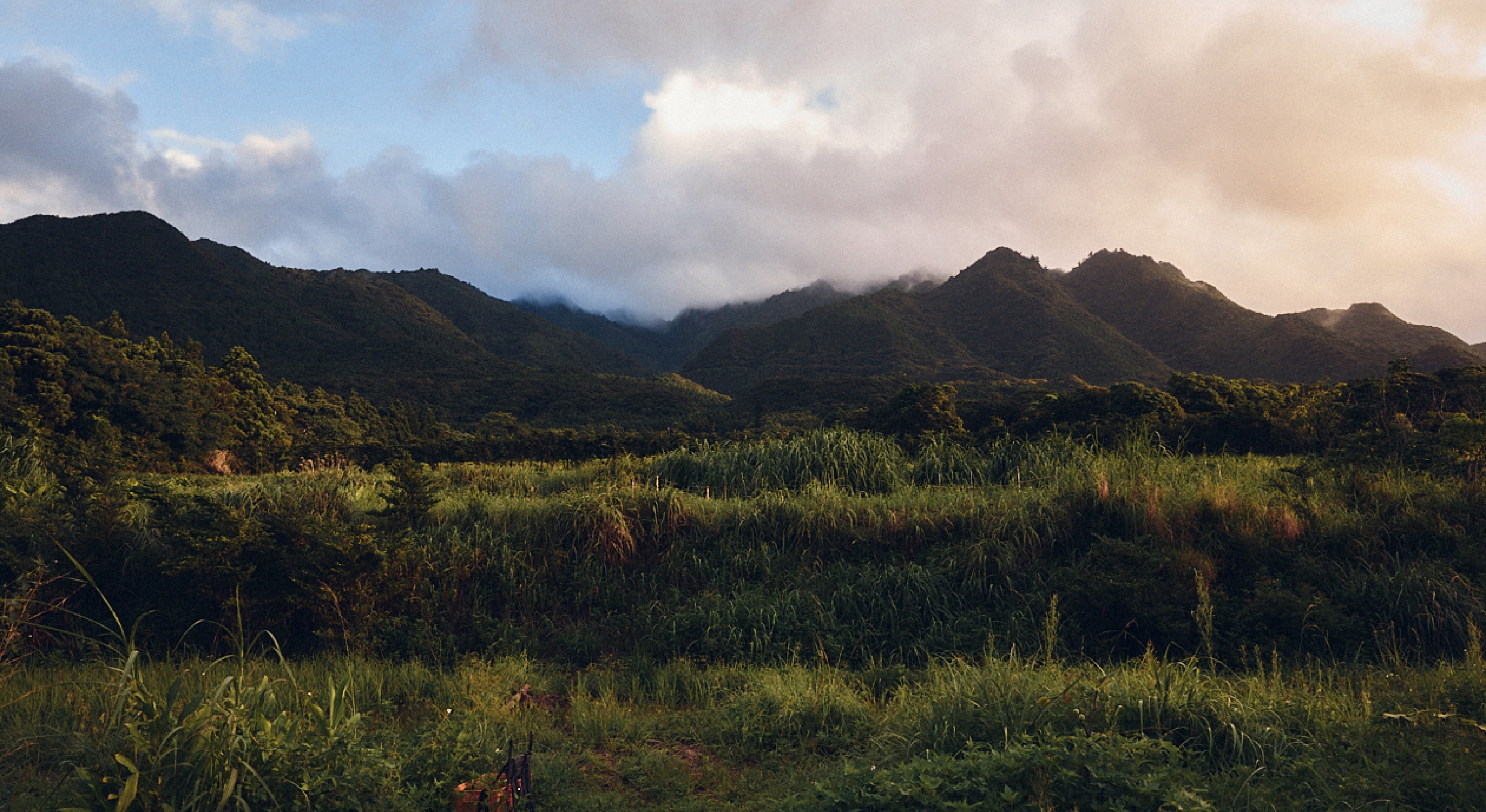
wotahus is an attempt to explore how we might live in the years ahead by looking closely at the connections between our daily lives and water, resources, and culture.
Across Japan, climates and natural environments differ from place to place. Living alongside the nature around them, people have developed distinctive ways of life over generations. They have felt the changing seasons and passed down knowledge, food traditions, and cultures rooted in the land. These layers of experience carry through to the lives we lead today. Even the things we encounter every day and take for granted hold values and meanings nurtured by the places they come from.
This is why we want to visit places across Japan, attune ourselves to their nature and character, and explore anew the relationships unique to each. Every place has its own web of relationships, woven over time by nature, history, culture, and the lives of its people. Within these relationships lies value that has yet to be fully realized. Beginning with the circulation of water, we want to weave architecture, technology, culture, and everyday practices together in new ways, bringing that potential to life. So that each place can become more fully itself. wotahus began with this perspective.
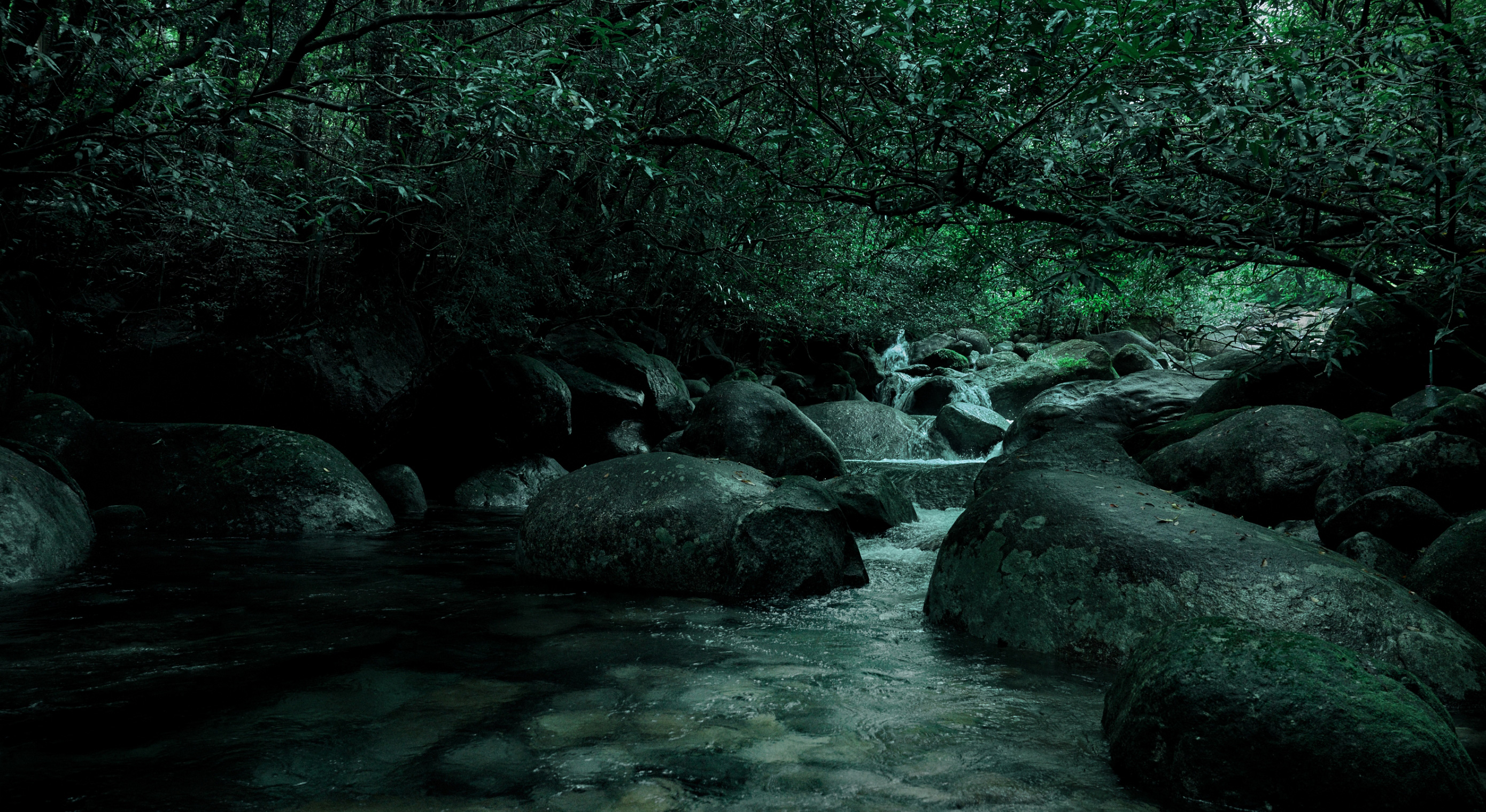
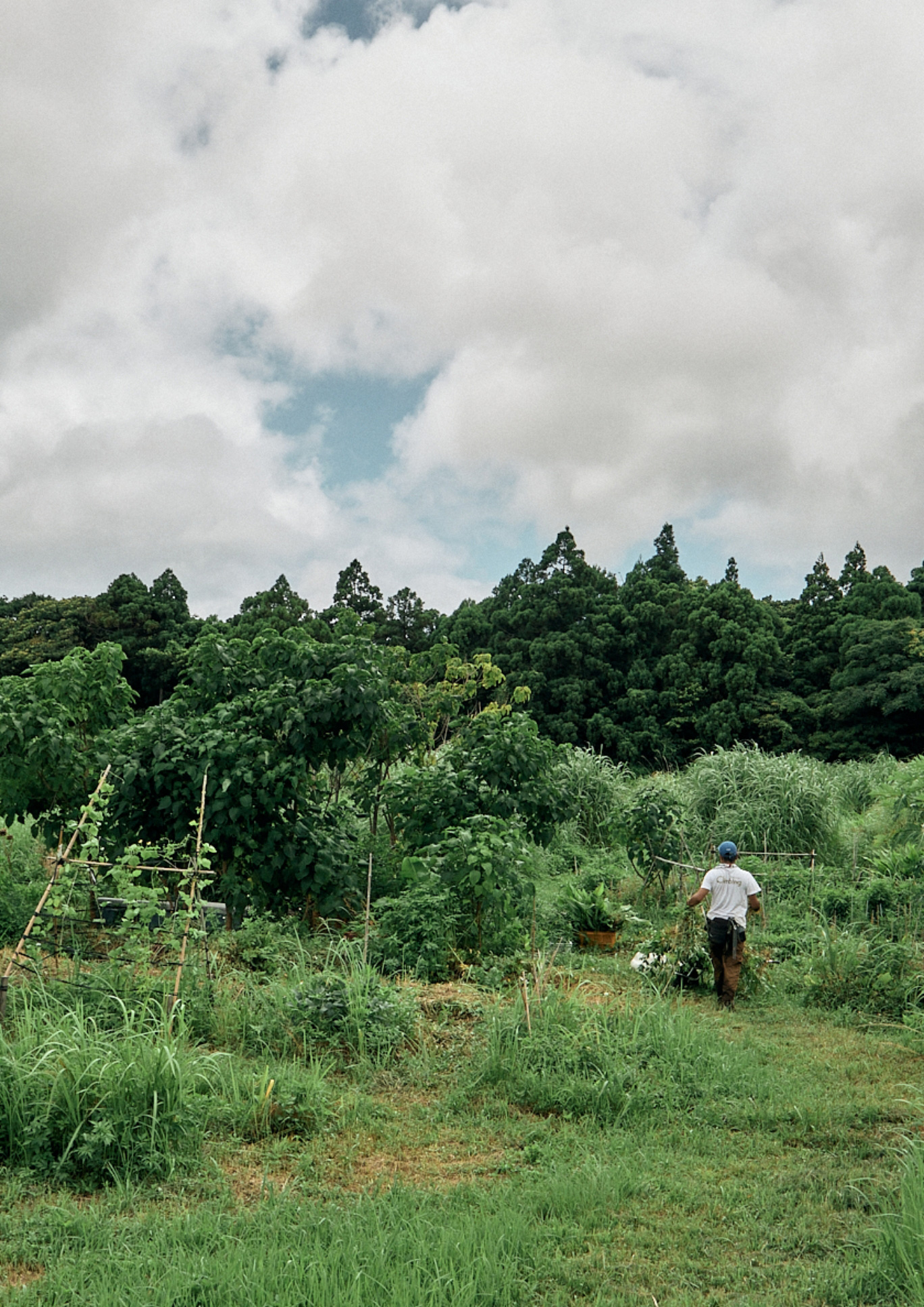
A place shaped by creativity and technology, where local nature, culture, and the water cycle can be experienced with all five senses: this is the wotahus we are creating.
“Hus” means “house.” It is the place closest to our everyday lives, and it also speaks of somewhere to return to, somewhere to come home to. Beginning with this small unit—the home—we want to recognize how the things around us matter to our own lives and ask again what makes life truly rich. This is the intention behind wotahus.
Through these many experiences, we may gradually begin to see things we had not noticed before. As these small moments of understanding accumulate, we also turn our attention to the resources around us and the relationships that surround us. From these insights emerges “a beautiful life in small cycles” unique to that place—a way of living in which resources circulate gently on a small scale. It is the circular life that wotahus envisions.
There is no single answer.
With wotahus, experience a way of living in which water circulates.
Notice the lives and practices woven into the character and culture of a place.
From there, ask yourself what a truly rich life means to you.
The experiences before us may be small and quiet. Yet we believe each one can deepen our understanding of a place and invite us to look at our own lives anew.
Just as the oceans connect the world, water connects our lives.
What does it mean to live a rich life?
We live surrounded by the infrastructure that supports society: water, electricity, gas, and transport. In cities where many people live, developing these systems at scale and providing reliable services makes sense. Yet the same approach is not always readily applicable in places with declining populations, in hilly and mountainous regions, or in island communities.
As populations and environments change over time, we can provide what is needed, where it is needed, in ways suited to each place and community. Might this also be an approach we need for the years ahead? The water recycling systems WOTA develops offer one such possibility.
In Japan, where natural disasters are frequent, we sometimes come to appreciate resources we usually take for granted only when their supply is interrupted. Water in particular sustains our lives just as electricity and gas do, yet we rarely stop to notice its presence in our daily routines.
“Turn on the tap, and water comes out.” We go about our daily lives taking this for granted. Although water is essential to life, many of us may feel that we know about it, when there is much we have yet to understand. Where does our water come from, and where does it go? Simply paying a little attention can reveal unexpected connections with local nature and the lives of the people around us.
That is why we want to begin with water.
There can also be moments in everyday life when we sense the presence and value of water. Rather than seeing water only as a “problem,” we can begin to learn about it through pleasant, memorable experiences.
By noticing the connections that emerge through water, could we begin to rethink, together, what makes life rich?
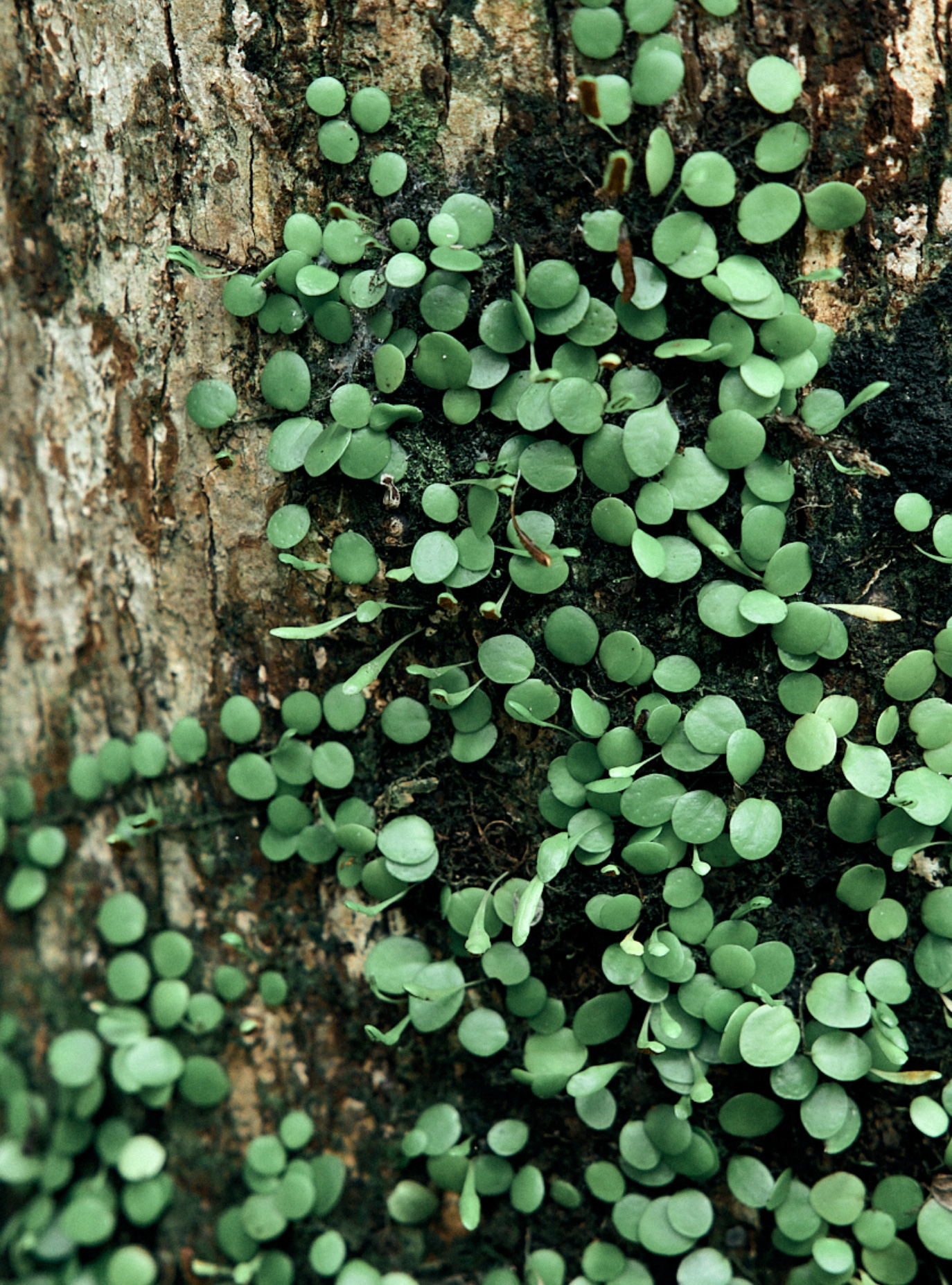
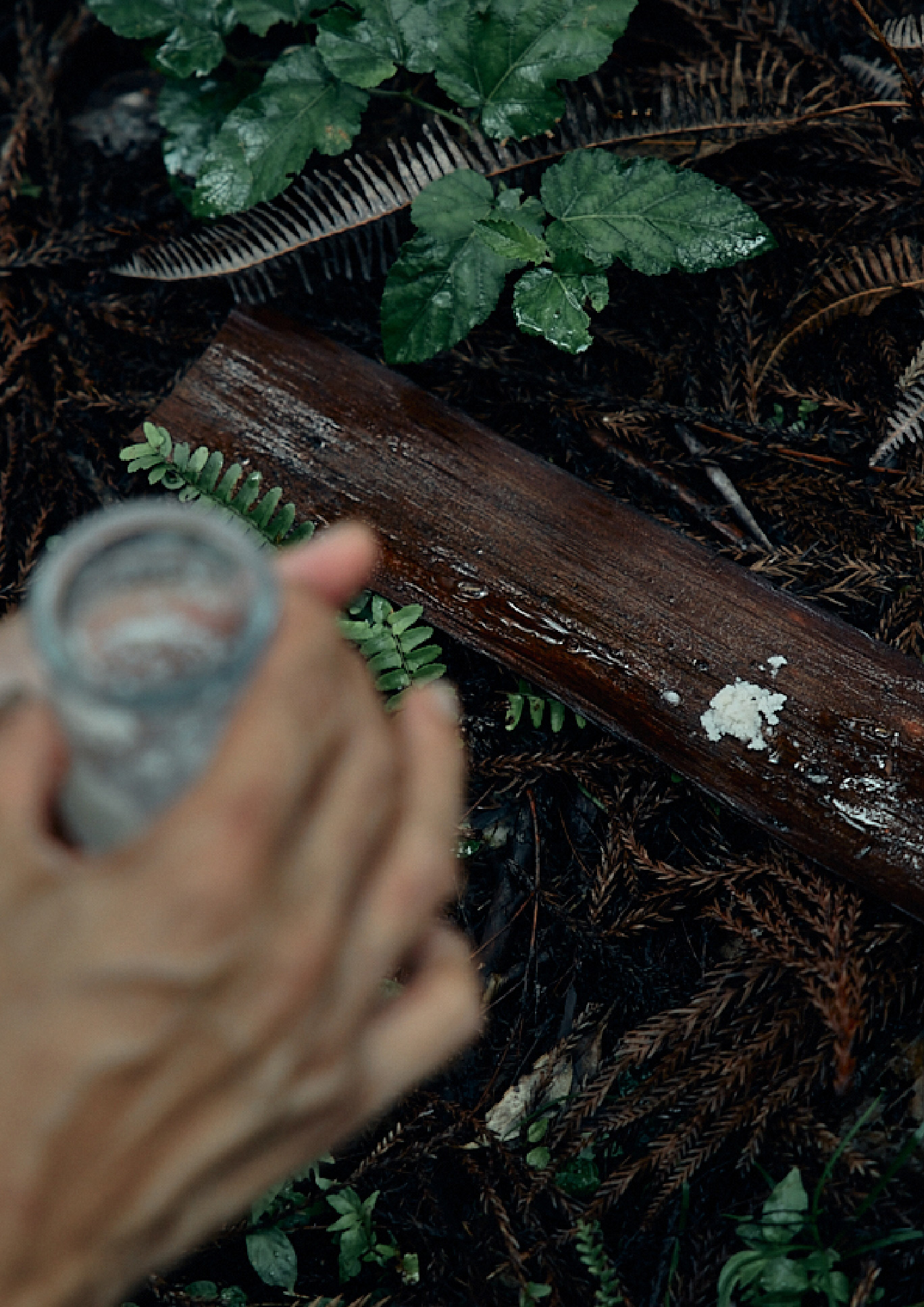
“Water” is not just one thing. For drinking, for example, we may use tap water or well water. Rainwater can also be used for drinking if it is adequately treated. Water used in daily life can be treated and recycled for repeated use, and recycled water can be used for flushing toilets.
In other words, there are many ways to source and use water, depending on the place, the purpose, and how we live.
Choosing electricity sources that suit our lives, such as solar power and other renewable energy, is gradually becoming more familiar. Could we also use and recycle water in ways suited to our needs and surroundings?
This idea of how we want to live with water is something wotahus seeks to honor. Beginning with water, we look at our lives anew. Through WOTA’s systems, we explore ways of living with water that are unique to each place, opening up the possibilities it holds. Places and activities where we can experience this way of living firsthand will begin on Yakushima, known as the “island of water.”
Circular life: a way of living in cycles. As we consider what a rich life might look like in the years ahead, could it offer a new kind of value, one not bound only to the things we own?
Our aim is not simply to install a system that recycles water. Beginning with water, we want to reconsider how different resources circulate and how nature and human activity relate to one another, as we explore and put into practice ways of living for the years ahead. The first place where we will put this into practice is wotahus yakushima.
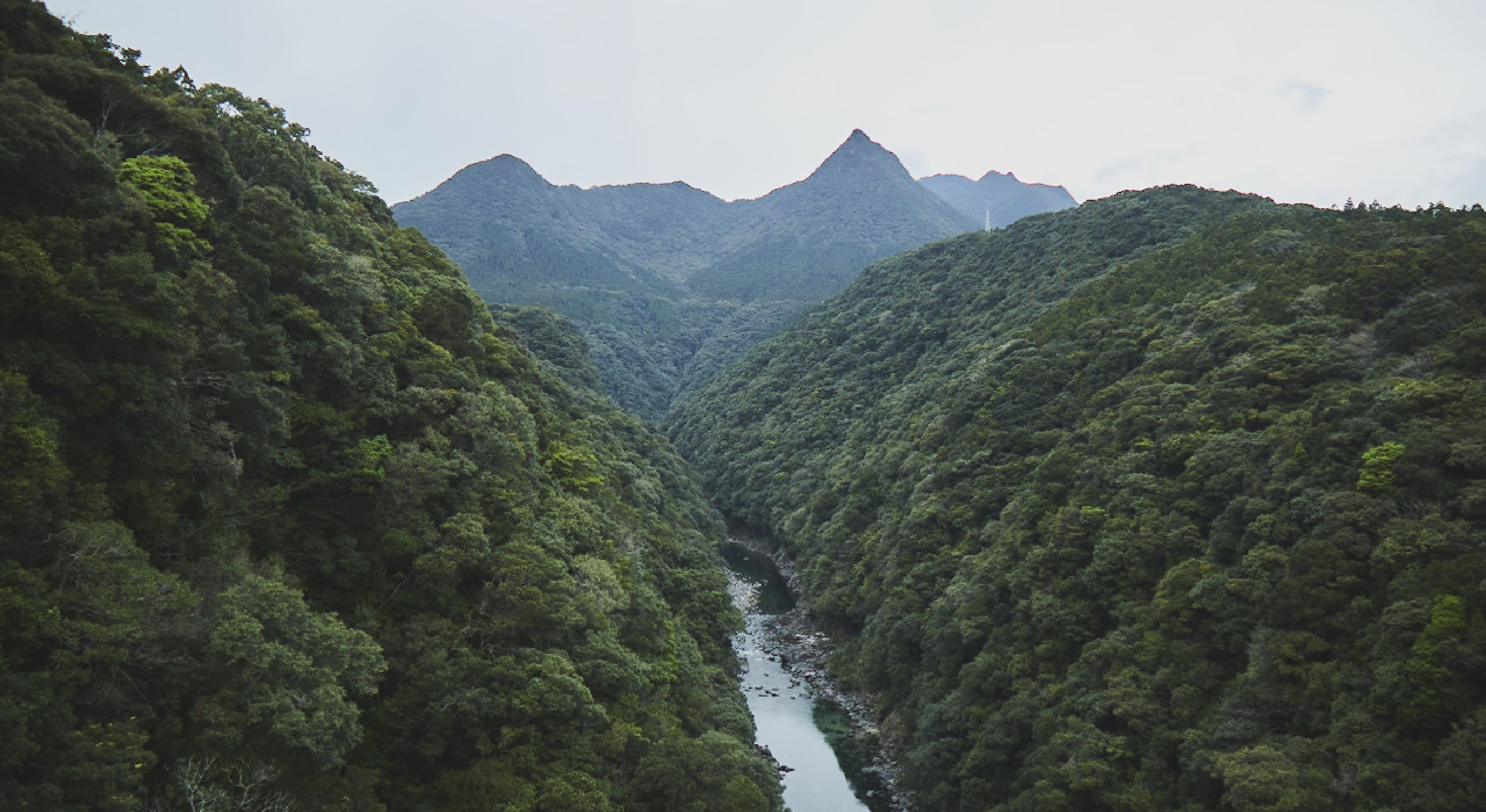
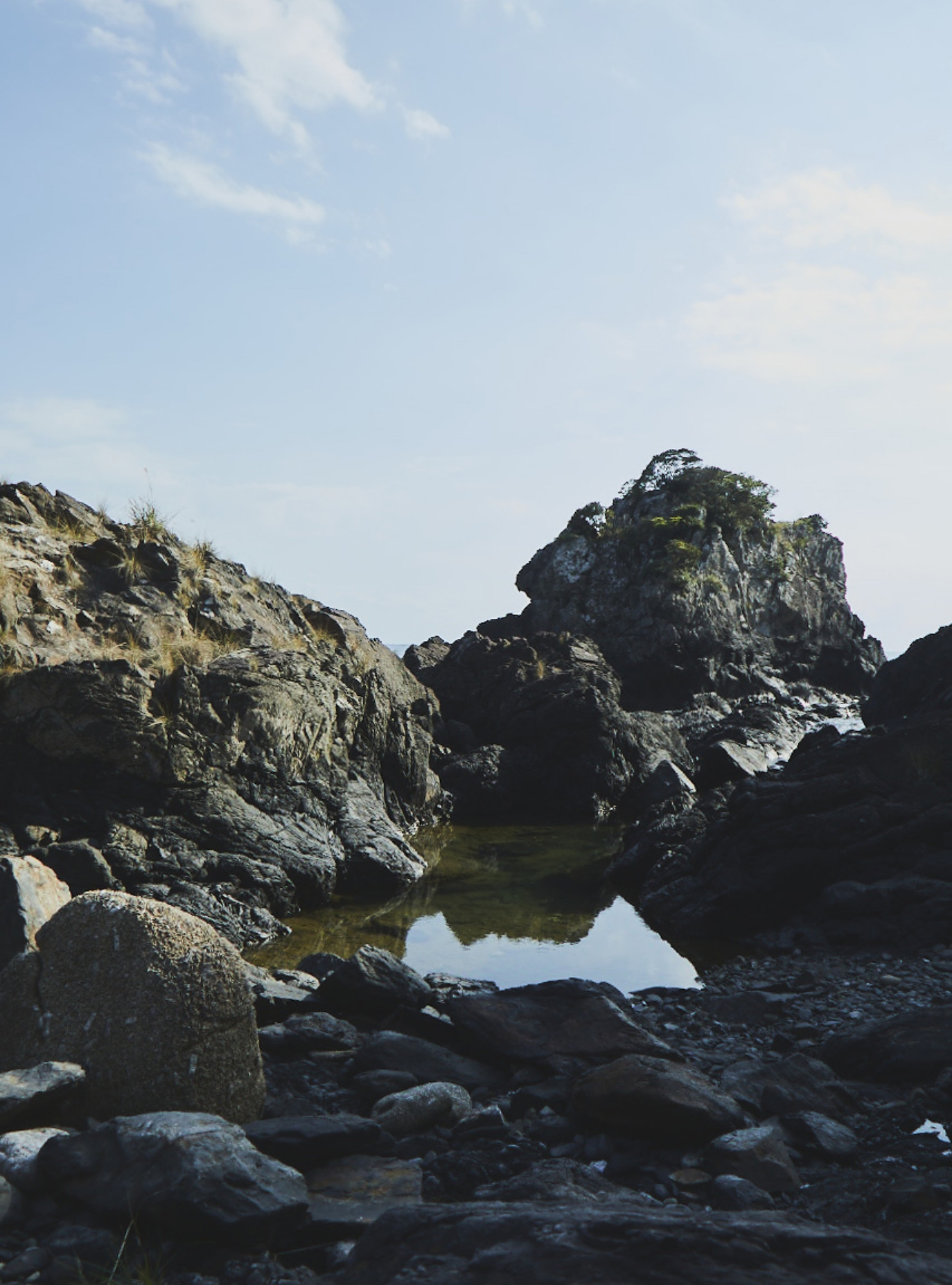
Beginning on Yakushima holds particular meaning. On an island where the mountains and the sea are close together, we can feel nature’s larger cycles through our bodies. At wotahus, situated within that watershed, we can also experience the small water cycles that emerge through everyday life. With nature’s cycles and everyday practices so close at hand, we believe it is a fitting place for wotahus to begin.
Across Japan, water flows differently from place to place, and people’s lives and cultures have developed within these watersheds. This is why we want to look beyond the water cycle alone. Through wotahus, we hope to pay attention to and engage with the character of each place, its nature and culture, and the everyday practices of its people, as we rethink how we might live in the years ahead.
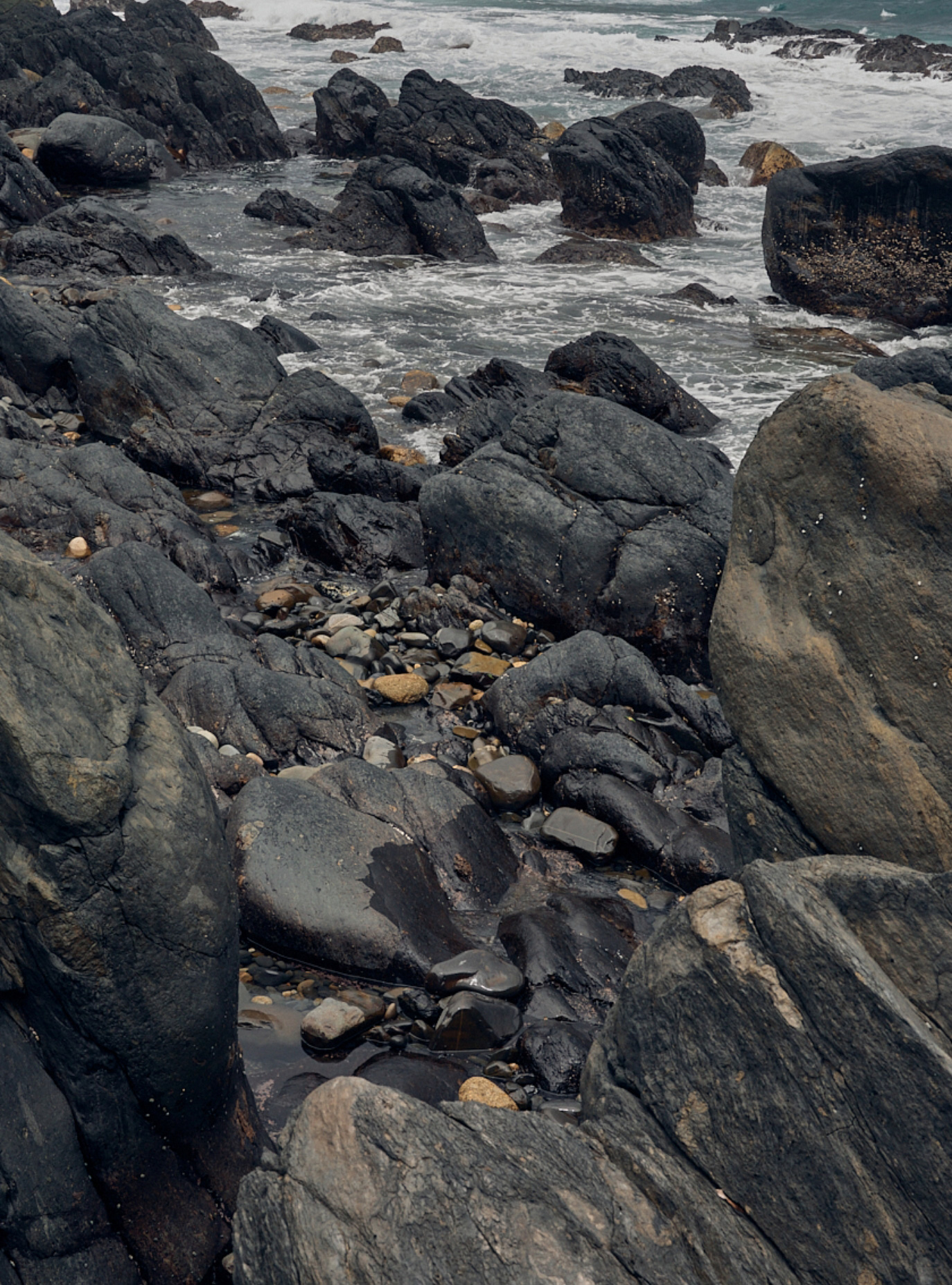
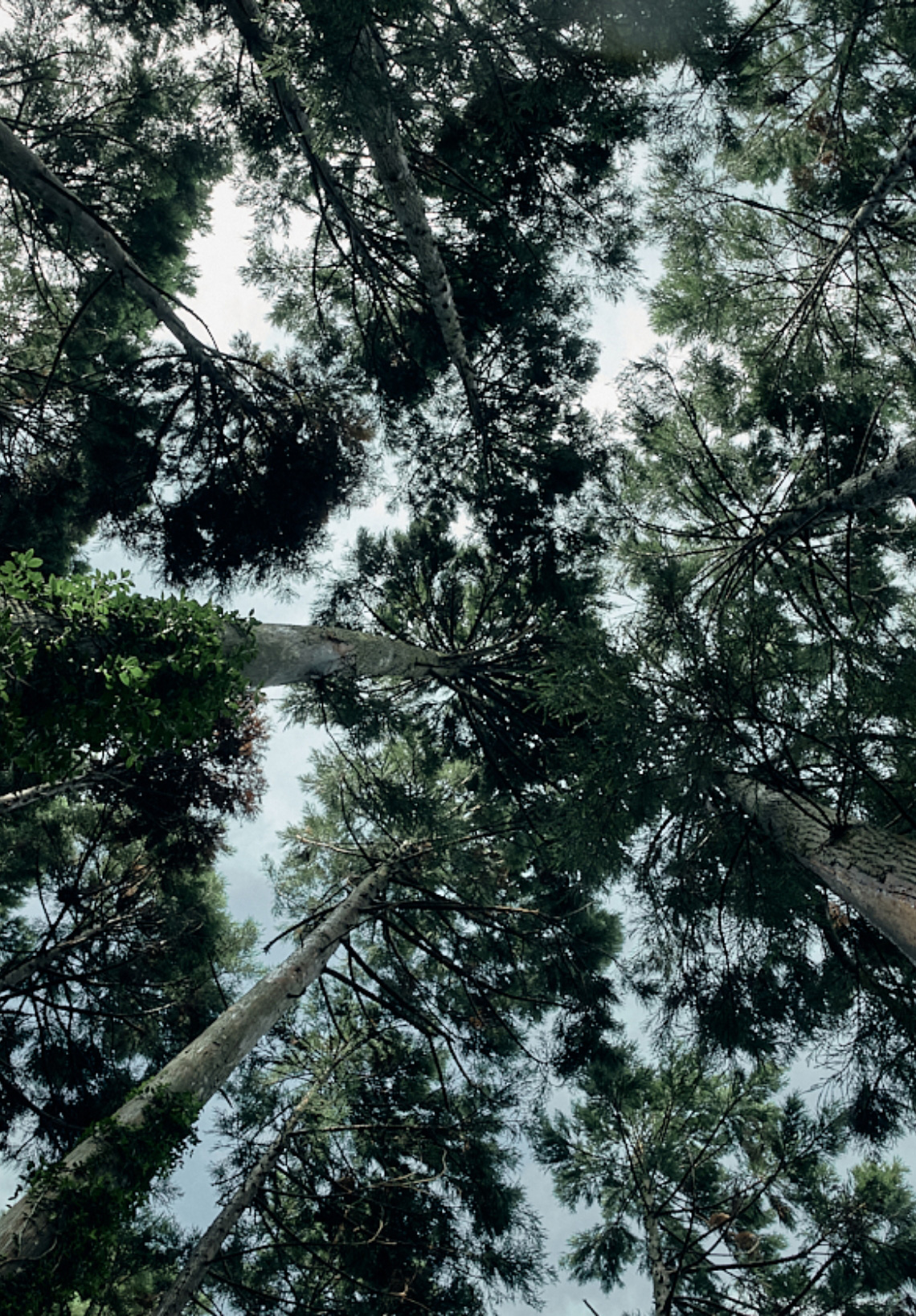
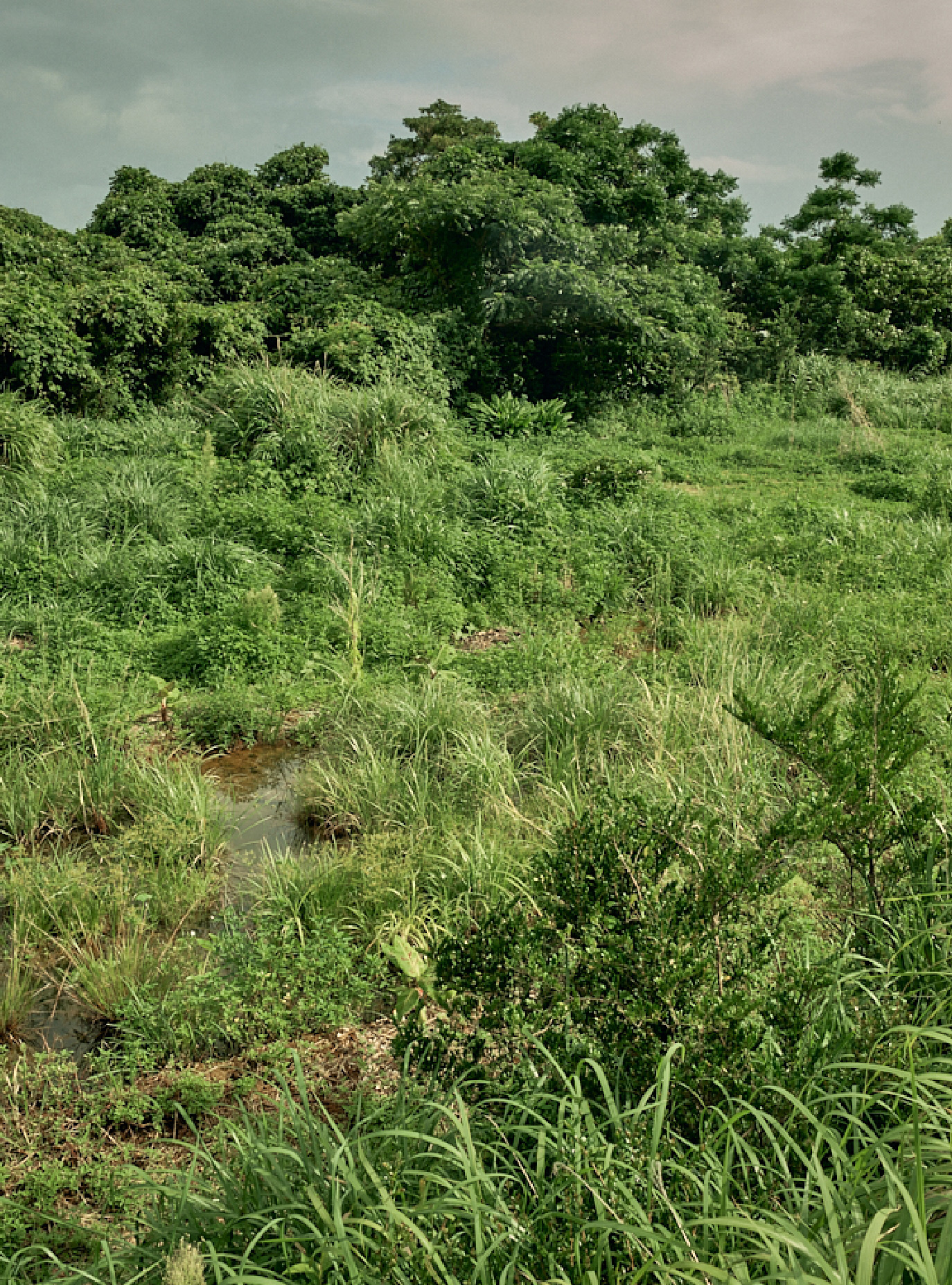
At first glance, circular life may sound like a return to older ways of living. Yet wotahus does not seek to recreate the past or ask anyone to put up with inconvenience. We want to carry the knowledge and practices built up over time into the future, in forms suited to the time and place. To do so, wotahus actively embraces technologies and new ideas that can support them. Long-established cultures and ways of life are not simply remnants of history. They continue in each place today.
Natural disasters and other events can profoundly disrupt the foundations of everyday life and local culture. Today, technology can help us draw on the forces of nature to support our lives. We want to feel connected to nature and place while still living richly and comfortably. These are the ways of living we want to explore, with the possibilities our time offers.
We also want to carry the practices that emerge in the small setting of wotahus beyond that one place, adapting them to the character and conditions of each new setting. From there, we hope a rich way of living will gradually become part of more people’s lives.
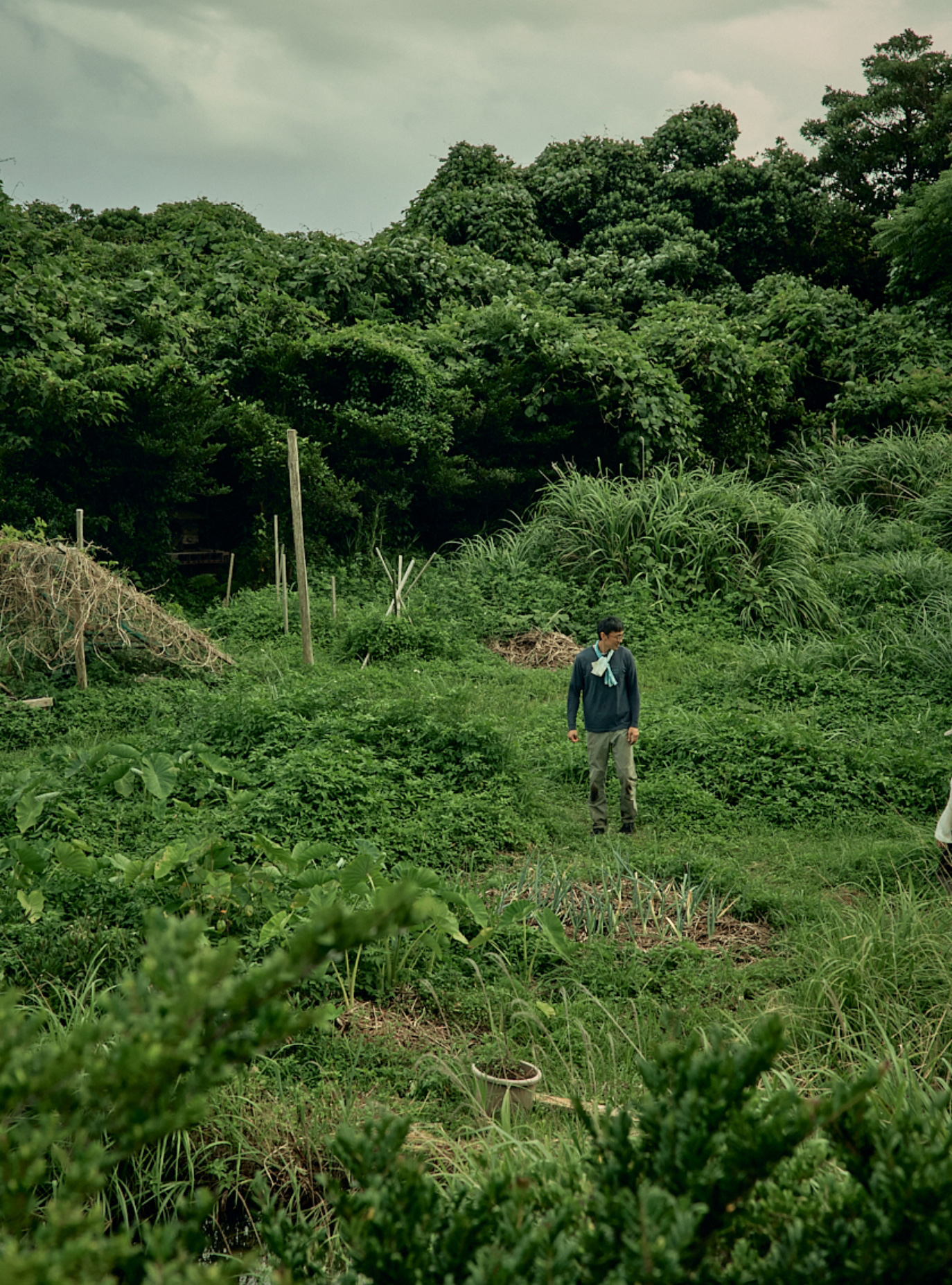
With wotahus, we explore a beautiful life in small cycles. Three perspectives guide us toward this vision: the character of place, circularity, and embodied experience.
Reading the character of a place, shaped over time. Rethinking the cycles of water and resources, and the relationships that connect them. Being there, sensing and discovering through our bodies. As these three perspectives come together, they deepen our understanding and give rise to new practices and values. We believe this can lead to a beautiful way of living unique to each place.
Every place has a character of its own. Its natural environment—including climate, terrain, and the flow of water—intertwines with the history and culture nurtured through the lives of its people. Together, they shape what makes a place distinct.
Rather than applying a uniform model everywhere, we want to begin by paying attention to this character and understanding the relationships unique to that place. We believe that learning what has flourished there and how people have lived can offer clues to new ways of living and doing in the years ahead.
Circularity means more than treating water and recovering resources for repeated use. We also see it in carrying forward nature and human practices as they evolve, along with inherited skills and knowledge, while weaving new relationships and shaping new ways of living. We believe today’s technology can fit within these relationships and quietly support everyday life. Water, resources, and human practices are connected through ongoing cycles. Exploring forms of circularity suited to each place helps us consider how we might live in the years ahead.
We value sensing through our bodies before understanding through words. As we spend time in a place and go about our daily lives, a sense of it gradually settles within us, without anyone having to explain it. Some things come to make sense naturally, through our senses. By encountering the character of a place and placing ourselves within its cycles, again and again, we gain insights that intellectual understanding alone cannot provide. In time, these become part of our own lives. At wotahus, we see this process, too, as an important way of learning.
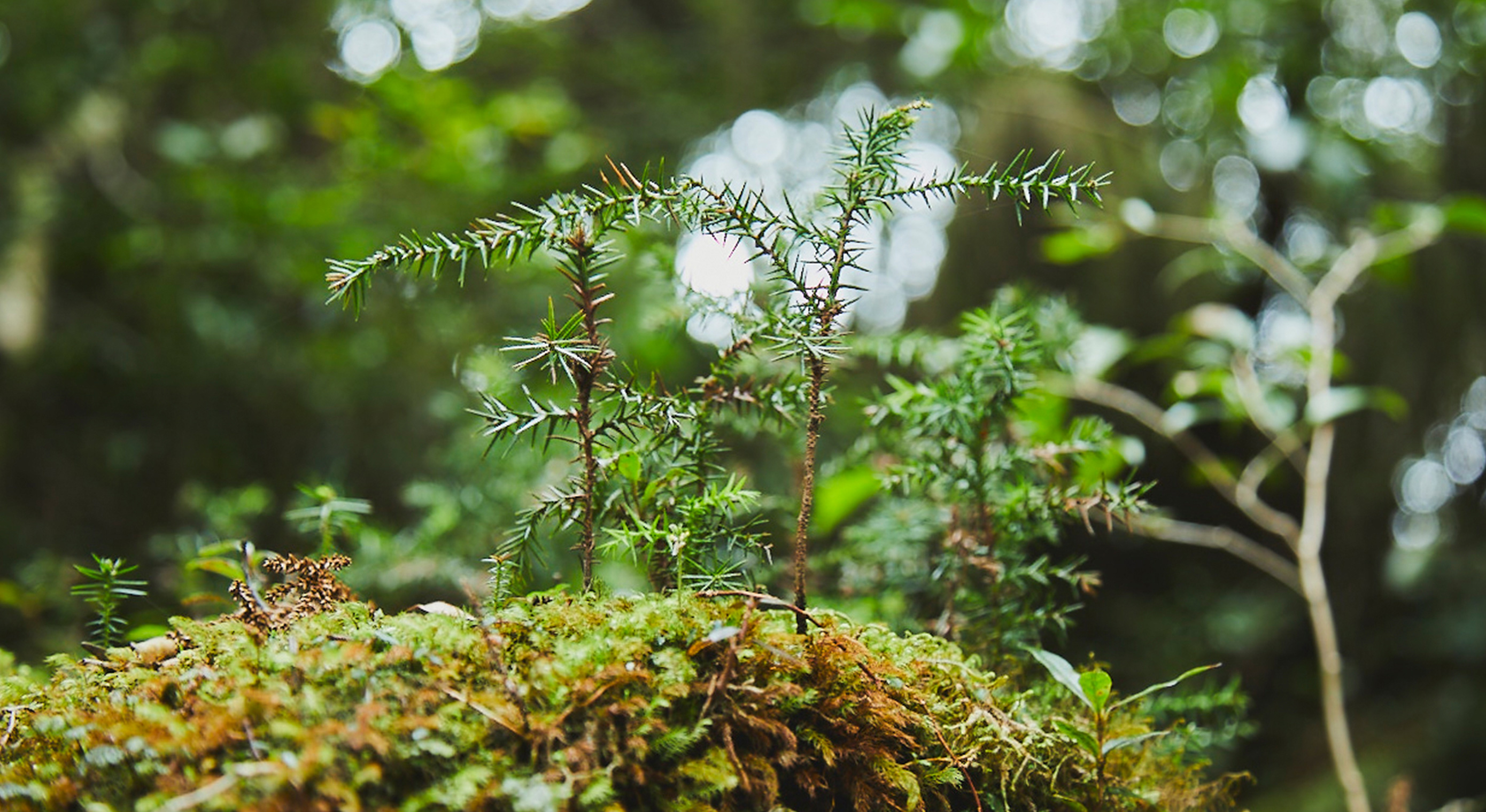
The circumstances surrounding water are many and varied.
Some initiatives draw on knowledge gathered around the world; other systems have been developed to support society. Many people and organizations, including governments and other public institutions, play a part in sustaining our lives. Within this wider landscape, wotahus focuses on what each of us feels in our relationships with nature and other people as we engage with water.
When we think about water cycles, we want to go beyond making the technical systems work. How does water flow through this place? Who has lived here, and how have they lived? We want to experience these relationships by spending time at wotahus and sensing them through our bodies, as well as understanding them in our minds. We want to let the insights and questions that arise build upon one another.
Each practice may be small, but over time, we believe it will take root in everyday life.
Like adding a new chapter, shaped by our own time, to the stories passed down by those who came before us.